How Fast Weed Growth Can Take Over Your Property in Just Weeks
How Fast Weed Growth Can Take Over Your Property in Just Weeks
Late spring is one of the most aggressive growth periods for vegetation—and unfortunately, that includes weeds. When left unmanaged, a yard can shift from slightly untidy to completely overgrown in just a matter of weeks. Warm temperatures, frequent rainfall, and nutrient-rich soil create ideal conditions for rapid weed expansion in residential properties.
Understanding how quickly this happens helps homeowners take early action before small patches turn into full-scale yard overgrowth.
Why Weed Growth Accelerates So Quickly in Late Spring
Weeds are designed for survival. Unlike carefully maintained grass or landscaping plants, they grow rapidly, adapt easily, and spread aggressively when conditions are favorable.
Late spring provides the perfect combination of:
Consistent rainfall and soil moisture
Rising temperatures
Increased sunlight hours
Active soil nutrients after winter dormancy
These conditions allow weed seeds to germinate quickly and mature at a fast rate, often outpacing regular lawn grass.
Week-by-Week Progression of Weed Overgrowth
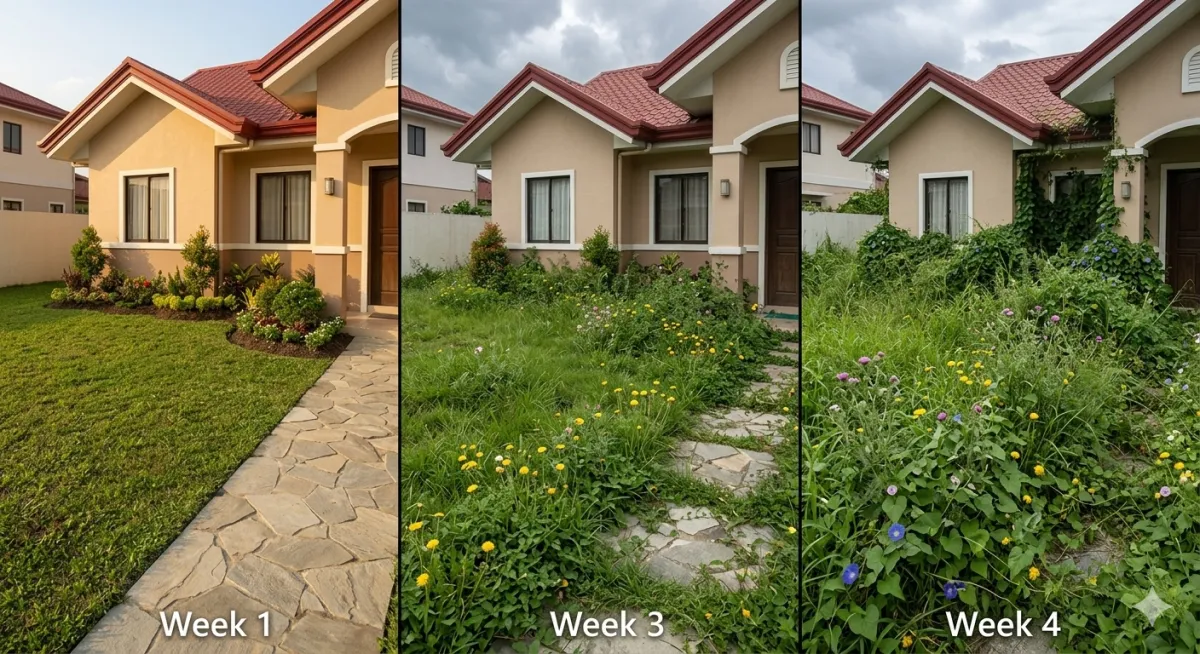
Weed takeover doesn’t happen overnight—but it can feel that way. Here’s how quickly it can escalate if left unchecked:
Week 1: Early Germination
Small weeds begin to sprout in bare or weak areas of the lawn. They are often easy to miss at this stage.
Week 2: Visible Spread
Weeds become more noticeable and start competing with grass for water and nutrients. Thin patches of lawn begin to appear.
Week 3: Rapid Expansion
Weeds grow taller and denser, spreading across garden beds, edges, and cracks in driveways or walkways.
Week 4: Full Overgrowth
Weeds dominate large sections of the yard, choking out grass and making the property appear unmaintained or neglected.
Without intervention, the cycle continues, making cleanup more time-consuming and labor-intensive.
Areas of the Yard Most at Risk
Certain parts of a property are more vulnerable to fast weed takeover due to soil exposure and reduced maintenance.
High-risk zones include:
Thin or patchy lawns
Garden beds with exposed soil
Fence lines and property edges
Driveway and sidewalk cracks
Shaded or poorly drained areas
Neglected corners of the yard
These areas often become the starting point for widespread weed growth.
How Weather Conditions Speed Up Growth
Late spring weather plays a major role in accelerating weed spread. Moist soil combined with warm air temperatures creates near-ideal germination conditions.
Key environmental triggers include:
Frequent rainfall keeping soil consistently moist
Warm daytime temperatures boosting plant metabolism
Humidity supporting sustained growth cycles
Sunlight encouraging photosynthesis and seed production
This combination allows weeds to grow faster than many homeowners expect.
The Hidden Cost of Delayed Yard Maintenance
Allowing weeds to grow unchecked for even a few weeks can lead to bigger problems beyond appearance.
These include:
Increased difficulty in removal
Damage to healthy grass and landscaping plants
Higher risk of long-term soil imbalance
Reduced curb appeal and property value perception
More time and effort required for restoration
What starts as a small maintenance delay can quickly turn into a major yard recovery project.
Why Early Action Makes a Big Difference
The earlier weeds are addressed, the easier they are to control. Young weeds have weaker root systems and are more responsive to removal methods.
Effective early interventions include:
Regular mowing to prevent seeding
Manual weed removal before root expansion
Mulching garden beds to block growth
Applying preventive treatments when needed
Keeping soil covered with healthy grass or plants
Consistency is key to preventing rapid spread.
How to Prevent Future Overgrowth
Once weeds are under control, maintaining a healthy yard helps prevent them from returning.
Best practices include:
Thickening lawn coverage with proper seeding
Improving drainage in problem areas
Fertilizing to strengthen grass growth
Keeping a regular maintenance schedule
Addressing bare soil quickly
Healthy, dense grass naturally reduces space available for weeds to grow.
Final Thoughts
Weed growth can take over a property surprisingly fast during late spring. In just a few weeks, a well-kept yard can become overgrown if conditions are right and maintenance is delayed.
By understanding how quickly weeds spread and acting early, homeowners can protect their outdoor spaces, reduce long-term cleanup efforts, and maintain a healthier, more attractive property throughout the season.