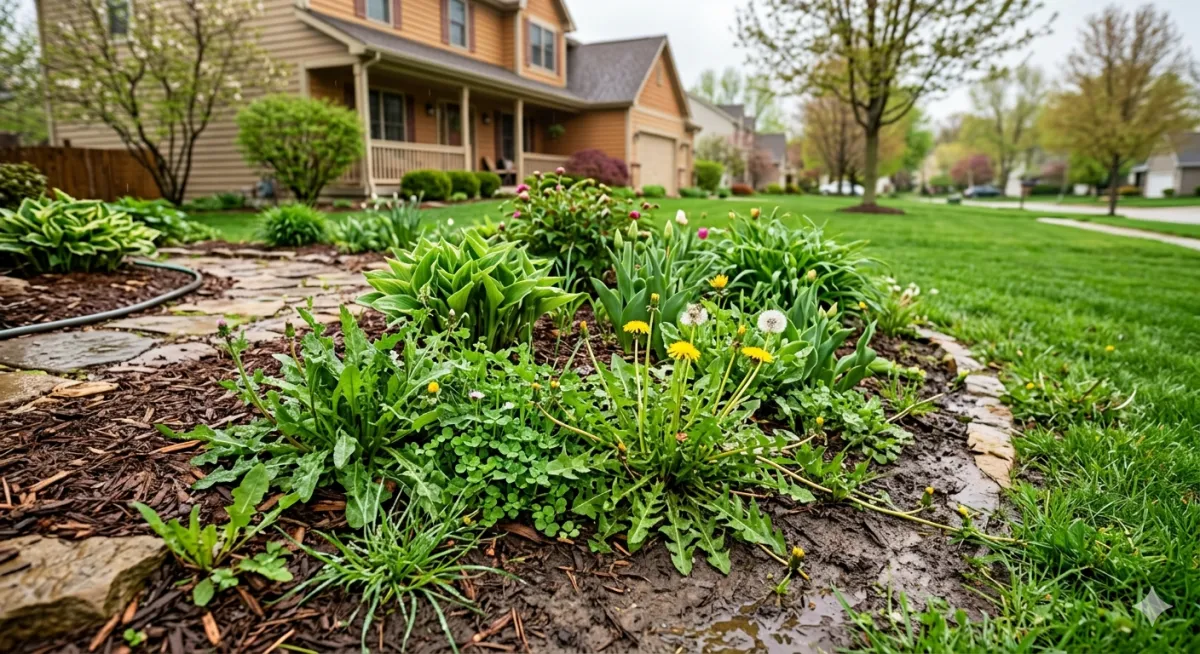
How Spring Rainfall Accelerates Weed Spread in Residential Areas
How Spring Rainfall Accelerates Weed Spread in Residential Areas
Spring is often associated with renewal and healthy plant growth, but for homeowners, it also marks the rapid spread of unwanted weeds. Increased rainfall combined with rising temperatures creates the perfect environment for weeds to thrive in lawns, gardens, driveways, and other residential outdoor spaces.
Understanding how moisture and temperature affect weed growth patterns can help homeowners take proactive steps to protect their landscapes before weeds take over.
Why Spring Conditions Trigger Weed Growth
Weeds are highly adaptable plants that thrive in disturbed or unmanaged soil. Spring weather conditions provide everything they need to grow quickly and spread aggressively.
Key environmental factors include:
Increased rainfall and soil moisture
Mild to warm temperatures
Longer daylight hours
Nutrient-rich soil from winter decomposition
These conditions activate dormant weed seeds, allowing them to germinate rapidly and compete with grass and garden plants.
The Role of Moisture in Weed Germination
Moisture is one of the most important triggers for weed growth. Spring rainfall saturates the soil, softening it and making it easier for seeds to sprout and take root.
When soil stays consistently damp:
Weed seeds germinate faster
Root systems develop more deeply
Existing weeds grow more aggressively
Soil becomes easier for wind-dispersed seeds to penetrate
Areas with poor drainage are especially vulnerable, as standing moisture creates ideal conditions for persistent weed growth.
How Temperature Boosts Growth Speed
Along with moisture, temperature plays a critical role in weed spread. Most common residential weeds thrive in moderate temperatures between early spring and early summer.
As temperatures rise:
Metabolism in plants increases
Germination cycles shorten
Growth rates accelerate
Weeds compete more effectively with grass and landscaping plants
This combination of warmth and moisture creates a “growth surge” period where weeds can quickly dominate untreated areas.
Common Areas Where Weeds Spread Rapidly
Spring weed growth is especially noticeable in areas where soil is exposed or disturbed.
High-risk areas include:
Lawns with thin or patchy grass
Garden beds and flower borders
Driveways and sidewalk cracks
Fencelines and shaded corners
Areas with poor drainage or compacted soil
Once weeds establish themselves in these spaces, they can spread quickly through seeds, underground roots, or wind dispersal.
The Impact on Residential Landscapes
If left unmanaged, weeds can quickly affect the appearance and health of a property.
Common consequences include:
Reduced curb appeal
Competition for nutrients and water
Weakened grass growth
Increased maintenance costs
Overgrowth in hardscape areas
Weeds can also create long-term soil imbalance, making it harder for desirable plants to thrive.
How to Control Weed Spread During Spring
Preventing weed overgrowth during the rainy season requires early action and consistent maintenance.
Effective strategies include:
1. Regular Lawn Maintenance
Mowing grass at the proper height helps prevent weeds from receiving the sunlight they need to grow.
2. Mulching Garden Beds
Mulch acts as a barrier, reducing weed seed germination and retaining soil moisture for desired plants.
3. Improving Drainage
Fixing drainage issues helps reduce excess moisture that encourages weed growth.
4. Applying Pre-Emergent Treatments
These treatments prevent weed seeds from germinating during peak growth periods.
5. Manual Removal
Pulling weeds early prevents them from spreading seeds and expanding root systems.
Why Timing Matters
Weed control is most effective when done early in the season. Once weeds mature and spread seeds, they become significantly harder to manage.
Spring is the critical window for:
Preventing germination
Controlling early growth
Protecting lawn health
Reducing long-term maintenance needs
Acting early can save homeowners significant time and effort later in the year.
Final Thoughts
Spring rainfall creates ideal conditions for weed growth in residential areas. The combination of moisture, warmth, and increased sunlight allows weeds to spread quickly and compete with healthy plants.
By understanding these growth patterns and taking early preventive action, homeowners can maintain healthier lawns and gardens throughout the season.