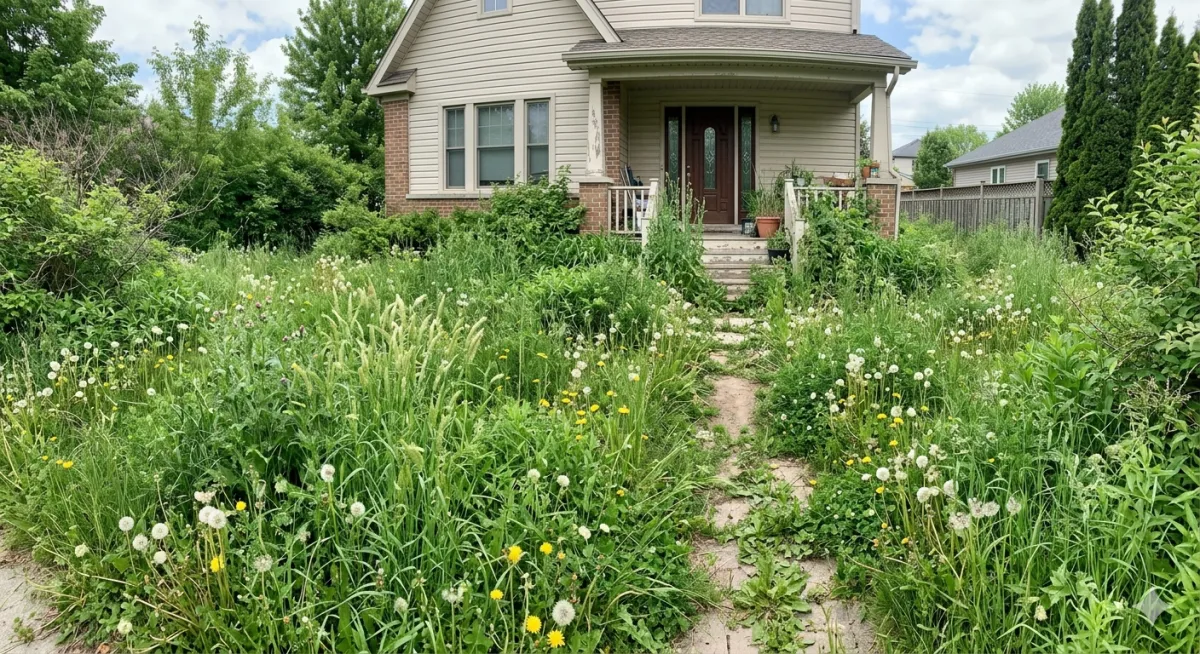
What Happens to Your Yard If Weed Growth Is Ignored Through Late Spring
What Happens to Your Yard If Weed Growth Is Ignored Through Late Spring
Late spring is one of the most critical periods for yard maintenance. It’s also the point where small weed problems can quickly turn into full-scale overgrowth if left untreated.
What starts as a few scattered weeds in April or May can escalate into thick vegetation, deep root systems, and widespread yard invasion by early summer. Once this happens, removal becomes more time-consuming, more expensive, and significantly more difficult.
Understanding this escalation helps homeowners take action before the problem compounds.
The Early Stage: Small Weeds That Seem Harmless
At first, weed growth appears manageable:
A few patches in the lawn
Small growth along sidewalks or driveways
Light sprouting in garden beds
During this stage, weeds are still shallow-rooted and easier to remove. Many homeowners delay action because the problem doesn’t seem urgent.
But beneath the surface, weeds are already expanding their root systems and preparing for rapid spread.
What Happens When Weeds Are Ignored
1. Rapid Spread Across Lawn Areas
Weeds are highly adaptive and competitive. When left unchecked in late spring, they begin to:
Spread seeds into surrounding soil
Expand horizontally across weak lawn areas
Outcompete grass for sunlight and nutrients
What starts in one corner of the yard can quickly cover large sections within weeks.
2. Thickening Vegetation and Overgrowth Layers
As weeds mature, they don’t just spread—they multiply in density.
This leads to:
Taller, thicker clusters of vegetation
Overlapping plant growth that blocks sunlight
Formation of uneven, patchy lawn texture
At this point, the yard begins to lose its uniform appearance and becomes harder to manage with basic mowing.
3. Deeper and Stronger Root Systems
One of the biggest challenges of delayed weed control is root development.
Over time:
Roots grow deeper into the soil
Weeds anchor more firmly, making pulling ineffective
Underground spreading species (like nutsedge) expand laterally
This makes removal significantly more labor-intensive and often requires professional intervention.
4. Lawn Grass Weakening and Thinning
As weeds take over, healthy grass begins to suffer:
Nutrients are diverted away from turf
Sunlight is blocked by taller weeds
Soil becomes dominated by invasive root systems
The result is a thin, patchy lawn that struggles to recover even after weeds are removed.
5. Harder and More Expensive Removal Cycles
The longer weeds are ignored, the more complex removal becomes.
Instead of simple hand-pulling or light treatment, homeowners may need:
Repeated chemical treatments
Soil restoration
Full lawn reseeding
Professional weed abatement services
What could have been a quick maintenance task becomes a full yard recovery project.
Why Late Spring Is the Turning Point
Late spring is especially critical because it is the peak transition period between germination and full summer growth.
During this time:
Soil temperatures are ideal for weed expansion
Rainfall supports continuous growth cycles
Longer daylight hours accelerate photosynthesis
This creates the perfect environment for weeds to dominate quickly if not controlled early.
Signs Your Yard Is Moving Into the “Escalation Phase”
If weeds are left unchecked, these warning signs begin to appear:
Large patches of uneven grass growth
Visible thick clusters of weeds in multiple areas
Difficulty mowing due to dense vegetation
Weeds appearing in driveways, cracks, and edges
Fast regrowth after trimming
Once these signs appear, basic maintenance is no longer enough.
Long-Term Damage from Ignored Weed Growth
Ignoring weed growth through late spring can lead to long-term yard issues:
1. Soil Imbalance
Weeds can alter soil composition, making it harder for grass to regrow naturally.
2. Persistent Regrowth Cycles
Even after removal, weed seeds remain in the soil and continue to regenerate.
3. Structural Yard Damage
Invasive roots can disrupt garden beds, borders, and paved edges.
4. Reduced Property Appearance
Overgrown yards reduce curb appeal and can affect property value perception.
How to Prevent Yard Escalation Before Summer
The good news is that escalation is preventable with early action.
1. Consistent Weed Monitoring
Check problem areas weekly during late spring.
2. Early Removal
Pull or treat weeds before they reach maturity.
3. Lawn Strengthening
Healthy grass is the best natural defense against weed invasion.
4. Edge and Border Maintenance
Pay attention to driveways, fences, and walkways where weeds first spread.
5. Professional Support for Large Areas
For widespread growth, weed abatement services can prevent further escalation and restore control.
Final Thoughts
When weed growth is ignored through late spring, a yard can quickly shift from manageable to overrun. What begins as minor patches can escalate into dense vegetation, deeper root systems, and long-term maintenance challenges.
The key is timing. Addressing weeds early prevents the cycle of overgrowth from taking hold and keeps your yard healthy, clean, and easier to maintain as summer approaches.
A proactive approach in late spring is not just maintenance—it’s prevention of a much larger problem later in the season.