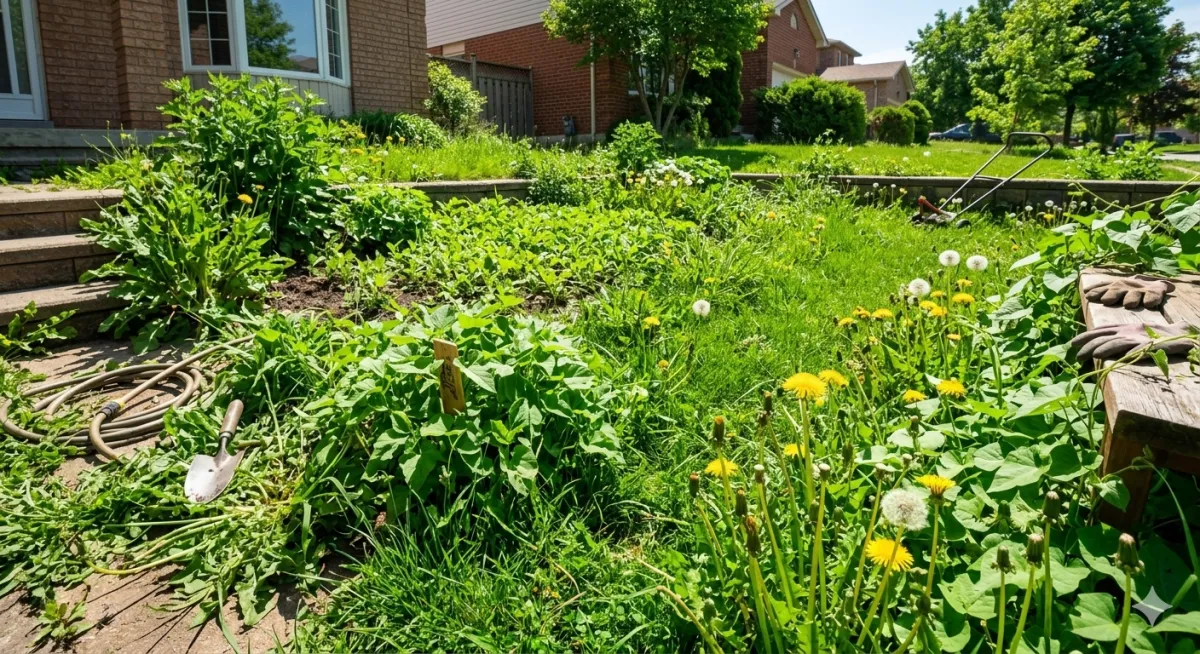
Why May Is One of the Fastest Weed Growth Months of the Year
Why May Is One of the Fastest Weed Growth Months of the Year
May is widely recognized as one of the most aggressive months for weed growth. As temperatures rise and rainfall becomes more consistent, vegetation enters a rapid growth phase. For homeowners, this means lawns, gardens, and outdoor spaces can quickly become overrun if not properly maintained.
Understanding the weather conditions and biological triggers behind this growth helps you stay ahead of the problem before it gets out of control.
The Science Behind Rapid Weed Growth in May
Weeds thrive when three key conditions align: warm soil, consistent moisture, and longer daylight hours. May provides all of these in abundance.
At this stage of spring transitioning into summer, plants shift from dormancy or slow growth into full reproductive mode. Weeds, in particular, are highly efficient at taking advantage of this window.
Key Weather Conditions That Trigger Weed Growth
1. Rising Soil Temperatures
One of the biggest drivers of weed growth is soil temperature, not just air temperature.
In May:
Soil warms up consistently after months of cooler weather
Weed seeds that were dormant begin to germinate rapidly
Root systems expand faster in warmer ground
This creates ideal conditions for explosive growth.
2. Increased Rainfall and Humidity
Many regions experience more frequent rain showers in May, which directly fuels weed development.
Moisture effects include:
Faster seed germination
Stronger root establishment
Continuous growth cycles without interruption
Even short bursts of rain are enough to activate weed growth patterns.
3. Longer Daylight Hours
As days become longer, plants receive more sunlight for photosynthesis.
This results in:
Faster energy production in plants
Increased leaf and stem growth
More aggressive spread of invasive species
Weeds are especially efficient at converting sunlight into rapid expansion.
Why Weeds Grow Faster Than Grass in May
One of the biggest frustrations for homeowners is that weeds often outgrow healthy grass during this season.
This happens because:
Weeds are biologically adapted to survive harsh conditions
They require less nutrients than turfgrass
They germinate faster and spread aggressively
They compete more efficiently for sunlight and water
In simple terms, weeds are survival specialists—designed to take over open or weak soil areas quickly.
Common Weeds That Peak in May
Several invasive plants thrive during this time of year, including:
Broadleaf Weeds
Dandelions
Clover
Chickweed
Grassy Weeds
Crabgrass
Goosegrass
Foxtail
Creeping Weeds
Creeping Charlie
Nutsedge
These species are particularly active in warm, moist environments typical of May.
How Weed Growth Impacts Homeowners
Unchecked weed growth can quickly lead to larger issues:
1. Lawn Damage
Weeds compete with grass for nutrients, leading to thin or patchy lawns.
2. Increased Maintenance Work
Once weeds spread, they require more time and effort to remove manually or chemically.
3. Reduced Curb Appeal
Overgrown lawns and garden beds can make a property look unmaintained.
4. Faster Yard Overgrowth
Weeds often spread into sidewalks, driveways, and garden edges, creating widespread maintenance problems.
Why May Is the Best Time for Weed Control
Even though May is peak growth season, it is also the most effective time to control weeds.
This is because:
Weeds are actively growing and easier to target
Pre-emergent treatments can still prevent future spread
Early intervention stops full summer infestation
Lawn recovery time is still strong before extreme heat arrives
Acting in May prevents a small weed problem from becoming a full seasonal takeover.
Effective Ways to Manage Weed Growth in May
1. Regular Lawn Mowing
Cutting weeds before they seed reduces long-term spread.
2. Mulching Garden Beds
Mulch blocks sunlight, preventing weed germination.
3. Pre-Emergent Weed Control
Applying treatment early in the season stops seeds from developing.
4. Manual Removal
Pulling weeds at the root is effective for small infestations.
5. Lawn Health Improvement
A thick, healthy lawn naturally reduces weed growth by blocking sunlight and space.
How Seasonal Services Help Control Overgrowth
For larger properties or severe weed problems, professional weed abatement services can help manage rapid growth during peak months. These services focus on clearing overgrowth, maintaining curb appeal, and preventing long-term vegetation issues.
Final Thoughts
May is one of the fastest weed growth months of the year because it offers the perfect combination of warmth, moisture, and sunlight. While this creates ideal conditions for plant life in general, weeds are especially quick to take advantage.
By understanding the environmental triggers behind this growth, homeowners can take proactive steps to maintain control and prevent small weed issues from becoming overwhelming summer problems.
A well-timed approach in May not only protects your lawn but also keeps your outdoor space clean, healthy, and easier to maintain for the rest of the year.