Why Overgrown Weeds Can Hide Property Hazards | Weed Abatement
Why Overgrown Weeds Can Hide Property Hazards
Thick Vegetation Often Conceals Obstacles and Maintenance Issues
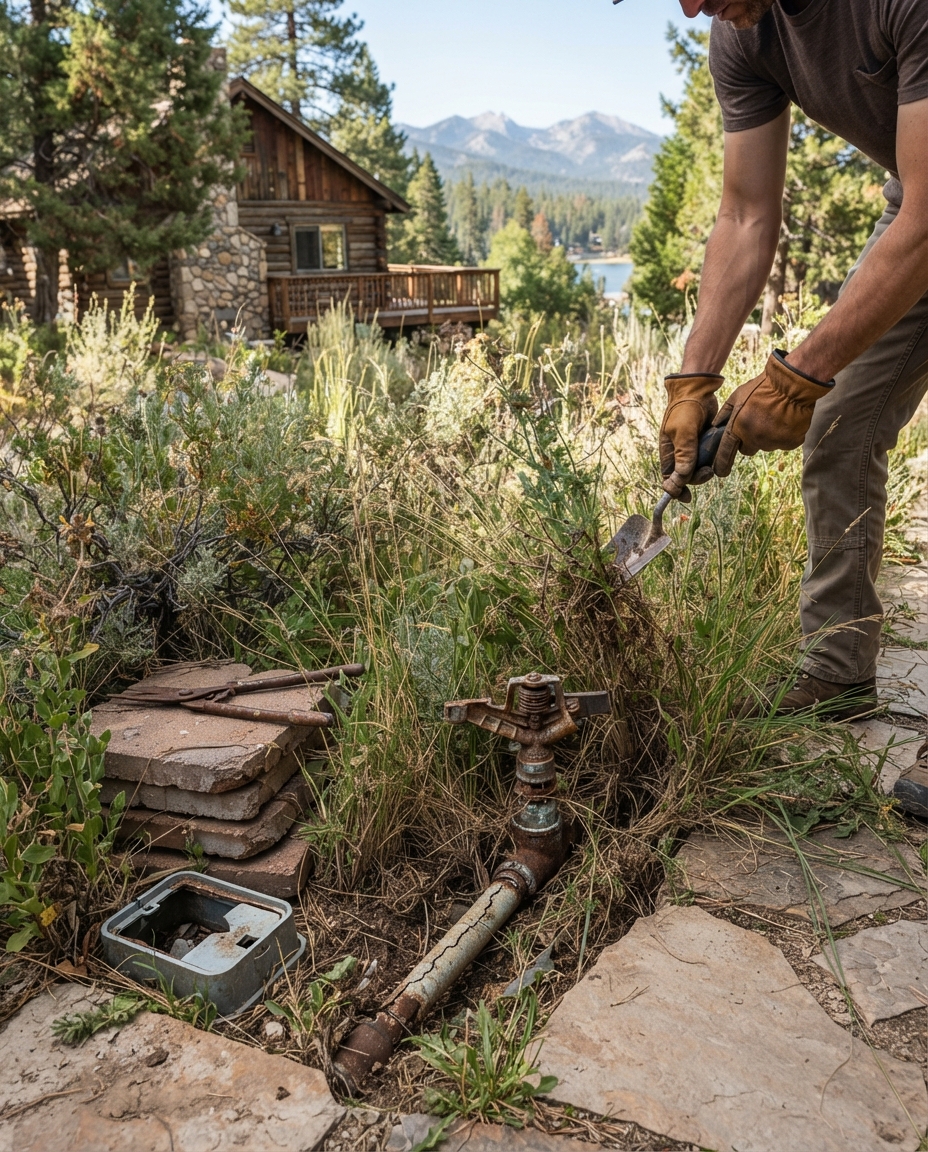
Weeds and unwanted vegetation can do more than make a property look overgrown. When grass, brush, and weeds become dense, they can hide objects and areas that need attention. Small maintenance issues may go unnoticed simply because they're covered by vegetation.
For homeowners, property managers, and landowners, regular weed removal and vegetation management can help keep important areas visible, accessible, and easier to inspect.
How Overgrown Vegetation Hides Problems
As weeds grow taller and thicker, they can cover surfaces and objects near the ground. What may look like a simple patch of vegetation could be hiding a damaged area underneath.
Overgrowth can conceal:
Uneven ground
Rocks and debris
Broken landscaping materials
Damaged fencing
Drainage areas
Tree stumps
Yard equipment
Property boundaries
Keeping vegetation under control makes these areas easier to see.
Hidden Trip Hazards
Tall weeds can make it difficult to identify changes in ground level or objects lying beneath the vegetation.
This can create potential trip hazards around:
Walkways
Driveways
Outdoor steps
Garden areas
Side yards
Property entrances
Clearer visibility helps homeowners and visitors navigate outdoor spaces more confidently.
Fence Damage Can Go Unnoticed
Fence lines are particularly vulnerable to overgrowth. Weeds and brush can grow around posts, panels, and gates, making damage difficult to spot.
Regularly clearing fence lines can help property owners identify:
Loose posts
Broken panels
Damaged gates
Rust
Structural deterioration
Early detection can make repairs easier to address.
Drainage Problems May Be Hidden
Vegetation can also cover drainage areas and make it difficult to notice water-flow problems.
Overgrown areas may hide:
Clogged drainage paths
Erosion
Standing water
Damaged drains
Areas where water is collecting
Keeping vegetation managed can make drainage areas easier to inspect and maintain.
Overgrowth Can Hide Yard Debris
Leaves, branches, rocks, and other debris can become difficult to see when weeds grow around them.
This can make routine cleanup more challenging and allow debris to remain on the property longer than necessary.
Regular vegetation maintenance helps expose these areas so they can be cleaned properly.
Weeds Can Spread Into Landscaped Areas
Uncontrolled vegetation doesn't always stay in one location. Weeds can spread from neglected areas into lawns, garden beds, and decorative landscaping.
As weeds compete with desirable plants for water, nutrients, sunlight, and space, controlling growth early can help protect the surrounding landscape.
Overgrown Areas Can Make Maintenance More Difficult
Dense vegetation creates additional obstacles for homeowners and property maintenance professionals.
It can make it harder to:
Mow
Inspect fences
Access gates
Clean walkways
Check drainage
Perform landscaping
Identify property damage
Maintaining manageable vegetation makes other maintenance tasks more efficient.
Large Properties Require Consistent Monitoring
Large lots, vacant properties, and acreage can be especially vulnerable to overgrowth because there are more areas to monitor.
Regular vegetation management can help property owners stay ahead of seasonal growth and identify potential issues before they become hidden beneath dense vegetation.
Scheduled maintenance may be particularly valuable for properties that aren't visited frequently.
Don't Wait Until the Problem Is Hidden
The best time to address overgrowth is before it becomes dense enough to conceal important areas.
Regular property checks can help identify unwanted vegetation early. Depending on the property, maintenance may be needed more frequently during periods of rapid growth.
Addressing weeds while they're manageable can reduce the need for larger cleanup projects later.
When Professional Weed Abatement Can Help
Some overgrown properties require more than routine yard maintenance. Professional weed abatement can help clear larger areas and restore visibility around important property features.
Professional service may be useful for:
Large lots
Vacant properties
Heavy weed growth
Fence-line overgrowth
Difficult-to-access areas
Properties requiring seasonal vegetation management
Once overgrowth is cleared, ongoing maintenance can help prevent the area from becoming difficult to manage again.
Final Thoughts
Overgrown weeds can hide more than an unattractive landscape. Dense vegetation may conceal uneven ground, damaged fencing, debris, drainage concerns, and other maintenance issues that need attention.
Regular weed removal and vegetation management help keep property features visible and outdoor areas easier to inspect. By addressing overgrowth early, property owners can maintain cleaner surroundings while making potential hazards easier to identify.
Don't let weeds hide what's happening on your property. Keep vegetation under control and your property easier to see, access, and maintain.